
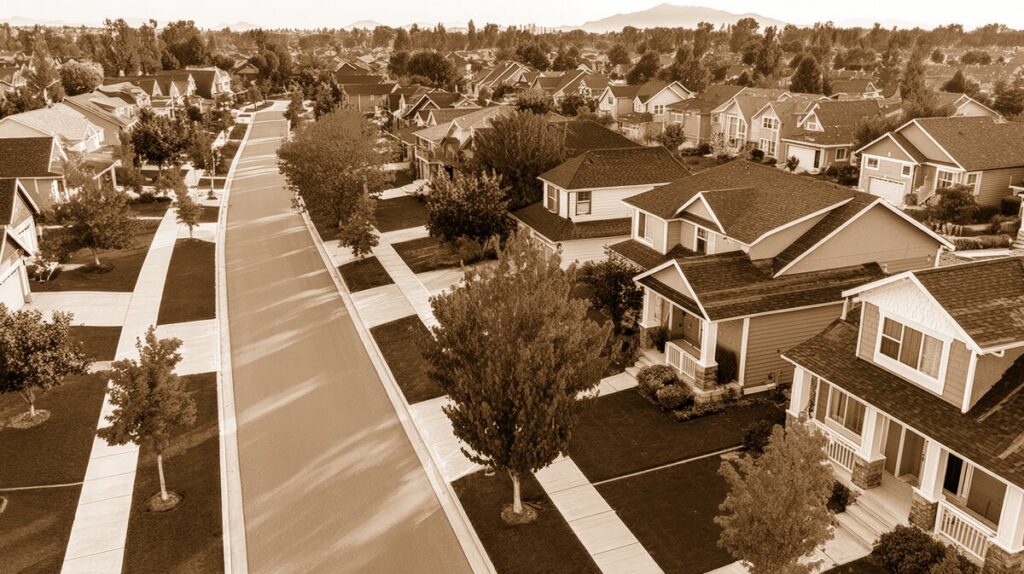
Nestled on Traverse City’s west side, just a gentle stroll from the downtown bustle and shimmering Boardman Lake, lies the Fernwood neighborhood—a storied pocket of history, charm, and warm community. For decades, Fernwood has welcomed generations of families, and its tree-canopied streets echo with stories that have helped shape the fabric of Traverse City. Whether you’re a lifelong resident or a curious newcomer, the tale of Fernwood’s origins and growth is woven into the heart of the city itself.
The Origins of Fernwood
The Fernwood neighborhood began to take shape in the early decades of the 20th century. In the 1920s and ’30s, Traverse City was growing rapidly, with westward expansion spurred by the success of local orchards and the arrival of the railroad. Farmland and woodlots began to give way to tidy houses and shaded lanes. The area that would become Fernwood was originally thick with native ferns, wildflowers, and old-growth trees—a lush landscape shaped by the nearby Boardman River and fertile soil.
The neighborhood gets its name from these emerald tangles of ferns, which, along with the woods that once blanketed the area, gave rise to the name “Fernwood.” Early developers, wanting to capture the natural beauty and tranquil spirit of the land, adopted the name for the growing residential enclave.
Streets with Stories
Fernwood’s boundaries are loosely defined by Elmwood Avenue to the west, Fourteenth Street to the north, and Silver Lake Road running along the southern edge. The main arteries—Fern Street, Cedar Street, and Rose Street—form the neighborhood’s backbone, with quiet side streets like Morgan and Grant offering a patchwork of classic homes and leafy yards.
- Fern Street, the neighborhood’s namesake, remains the heart of the community, lined with craftsman bungalows and historic cottages.
- Cedar Street houses many of the area’s oldest homes, some dating back to the early 1930s, many retaining original stonework and charming front porches.
- Rose Street is particularly prized in spring, when the flowering trees burst into color and neighbors gather for annual yard sales and garden walks.
Key Historical Milestones
The home-building boom in Fernwood began in earnest after World War II, when returning veterans and their families needed housing. Many of the small, neat homes built during the late 1940s and early ’50s still stand today, lovingly maintained by their owners. Several mid-century ranches, built by local craftsmen, showcase the utilitarian yet inviting architectural styles of the era.
Fernwood’s spirit of community has been tested and proven time and again:
- In the 1960s, residents banded together to preserve the green space that would later become Cedar Run Park, ensuring that future generations had a place to play and gather.
- The neighborhood weathered the city’s economic ups and downs, from the cherry industry’s boom years to more challenging times in the 1980s, always maintaining its close-knit feel.
Notable Landmarks and Institutions
While Fernwood doesn’t boast grand public buildings, it’s rich in neighborhood landmarks cherished by locals:
- Cedar Run Park: This pocket park at the intersection of Cedar and Fern is a favorite spot for families and dog walkers. Mature shade trees and a small playground mark the spot where generations of children have played.
- The Old Water Tower: At the corner of Elmwood Avenue and Fourteenth Street, the brick water tower stands sentinel—one of the last such structures in town, dating back to the early municipal water system.
- Morgan Avenue Schoolhouse: Now a private residence, this converted one-room schoolhouse was a gathering spot for neighborhood meetings and picnics well into the 1950s.
Community Events and Traditions
Fernwood’s tradition of neighborliness has deep roots. In the 1970s, block parties and potluck picnics were regular occurrences, and many of those customs live on today. Each July, the “Fernwood Fun Day” brings residents together with food, games, and local musicians performing on impromptu porches or front lawns.
Gardeners take special pride in their lots, contributing to the annual Garden Walk—an informal tour where neighbors open their backyards, swapping stories and plant cuttings. In winter, the neighborhood’s central sidewalks become mazes of snow forts and luminaries, crafted by both young and old.
Evolving with Traverse City
Fernwood has changed and adapted as Traverse City has grown. Modern additions blend seamlessly with the old; thoughtfully designed infill homes reflect the neighborhood’s character while offering energy-efficient living. The city’s renewed focus on walkability and bike infrastructure echoes the lifestyle that has always been part of Fernwood—front-porch conversations, safe streets, and easy access to shops and parks.
Today, Fernwood is a mix of young families, retirees, and everything in between. The nearby TART Trail draws joggers and cyclists through the green heart of the city, while corner lots are still known for their perennial gardens and classic white picket fences.
Why Fernwood Still Feels Like Home
Ask any longtime resident what makes Fernwood special, and you’ll hear about more than just the pretty houses and leafy streets. It’s the sound of kids calling to each other as they race down Cedar Street, the annual potluck where neighbors become friends, and the deep roots—figurative and literal—that tie people to this land.
In a city that continues to evolve, Fernwood is a gentle reminder of Traverse City’s history and the sense of belonging that comes from caring for a place, together. The ferns in shaded backyards and echoes of laughter on summer evenings are proof: some things, thankfully, never change.